
Spotting Black Mold on Bathroom Grout
How to Identify It and When to Regrout
Grout isn’t something most people think about until it starts to look dirty, crumble, or grow mold. But this seemingly minor detail is actually one of the most important parts of keeping a bathroom clean, safe, and structurally sound. Especially in areas like Long Island, where homes often have decades old bathrooms, aging grout can lead to hidden issues beneath the surface.
At Long Island Tub Refinishing, we talk with homeowners all the time who are shocked to learn that the black lines forming in their grout are signs of black mold. When ignored, this mold can cause health concerns, damage your bathroom walls, and reduce the lifespan of your refinished tub or tile. In this blog, we’ll walk you through how to spot black mold, why it forms, what to do when you see it, and how often you should regrout to keep your bathroom healthy.
What Does Black Mold on Grout Look Like?
Black mold is a specific type of mold known for forming in damp, dark places, like the crevices between your bathroom tiles. At first glance, black mold can look like a thin black line running along grout seams. It can also appear patchy, fuzzy, or slimy, especially in corners or around the tub where water frequently collects.
Not all black grout discoloration is mold, however. Sometimes it’s just surface staining from soap or hard water. But if the dark marks return quickly after cleaning or begin to spread, it’s likely mold. If you notice a musty smell along with the discoloration, that’s another clear sign that mold is growing behind or within the grout.
How Mold Affects Your Health and Bathroom Surfaces
Black mold isn’t just a cosmetic issue. It can also be a significant health concern. For residents with allergies, asthma, or compromised immune systems, exposure to mold spores can trigger respiratory symptoms like coughing, sneezing, and headaches. In homes with small children or elderly residents, this becomes an even more serious concern.
Beyond the health risks, black mold eats away at the integrity of grout and the materials behind it. It can seep into drywall, wood framing, and even the back of tile, weakening everything over time. That’s why part of our mission as a dedicated Long Island reglazing company is not just to resurface tubs and tile, but to help homeowners identify and address the hidden issues that could compromise their refinishing investment.
Why Grout Is Prone to Mold Growth
Grout is porous by nature, which means it absorbs moisture over time. In a bathroom setting, especially around tubs and showers grout is frequently exposed to humidity, standing water, and soap residue, which combine to create an ideal environment for mold to grow.
In many homes we service across neighborhoods like Glen Cove, Patchogue, and Port Washington, grout has never been sealed or has long since worn away its protective barrier. Once this happens, water penetrates more easily, and mold spores can take root deep inside. Unfortunately, even regular cleaning won’t reach mold that’s growing below the surface.
When to Regrout and When It’s Too Late
One of the most common questions we hear is how often should I regrout? There’s no universal schedule, but we typically recommend evaluating your grout every 5 to 10 years, depending on usage, ventilation, and whether it’s been properly sealed. If you’re in a high humidity area of Long Island, like near the coast in the Hamptons or Bayville, you may need to regrout more frequently due to the increased moisture in the air.
If your grout is showing signs of black mold, crumbling, cracking, or pulling away from the tile, it’s time to regrout. At that point, cleaning alone won’t cut it. You’ll need to remove the old grout and replace it with new, properly sealed material. We often handle this step before a reglazing project, especially when preparing to provide our Long Island bathtub reglazing service or tile refinishing. It’s an essential part of ensuring the reglazed surface has a healthy, mold free environment to bond to.
Can Reglazing Help With Mold?
Reglazing doesn’t remove mold, but it can help prevent its return once the underlying problem has been addressed. When we provide bathtub refinishing in Long Island, we always assess the condition of the grout and surrounding surfaces before we begin. If we see any signs of mold, we’ll let you know and recommend next steps, whether it’s cleaning, regrouting, or even bringing in a mold remediation expert if the issue is severe.
Once the area is clean, dry, and structurally sound, reglazing adds a smooth, nonporous coating that’s easy to clean and helps reduce the buildup of moisture and soap scum. When paired with freshly installed grout and proper caulking, this creates a bathroom surface that’s far more resistant to mold growth going forward.
How to Prevent Mold Growth Between Regrouting
Prevention is all about managing moisture. If you want to increase the life of your grout and avoid future mold issues, make sure your bathroom is properly ventilated. That means running a fan during and after showers, leaving the door open when possible, and keeping humidity levels low. In Long Island area homes, we often recommend sealing grout lines every year or two to keep them water-resistant and easier to clean.
Also, watch for early signs like discoloration, peeling caulk, or a musty smell which are all red flags. Keeping up with light weekly cleaning using mold safe products and a soft brush will go a long way in keeping your grout mold free between regrouting cycles and refinishing appointments.
Why Choose Long Island Tub Refinishing for Grout Prep and Reglazing
At Long Island Tub Refinishing, we’re more than just refinishers. We’re detail obsessed reglazing contractors who care about the whole picture. Our team takes the time to inspect, prep, and advise on the best approach for each individual bathroom. Whether you’re in Manhasset, Hicksville, or Setauket, we bring the same level of care and expertise to every project.
When mold is present, we don’t just reglaze over it and hope for the best. We make sure the underlying surface is clean, dry, and properly prepped before applying our coatings. And if your bathroom needs regrouting before refinishing, we’ll walk you through the options so the final result lasts.
Caring for Your New Grout
Once you’ve had fresh grout installed in your bathroom, whether as part of a tile reglazing project or a much needed regrouting, it’s important to protect your investment with simple, consistent maintenance. New grout might look perfect now, but without maintenance, it can quickly become discolored, mold prone, or even start to crack. The good news is that a little attention goes a long way. Start by keeping moisture to a minimum. Always run your bathroom fan during showers and leave the door open afterward to help air out humidity. Drying down wet tiles with a squeegee or towel can also prevent water from sitting on the surface and soaking into the grout.
We recommend sealing your grout about 72 hours after installation, and then resealing it once a year to maintain its protective barrier. Routine cleaning with a gentle, pH-neutral cleaner is key. Avoid harsh bleach based products, as they can break down grout over time. And if you ever notice cracks or mold developing again, remember that early fixes prevent bigger repairs down the line.
Make Your Bathroom Be Clean, Safe, & Worry Free with Long Island Tub Refinishing
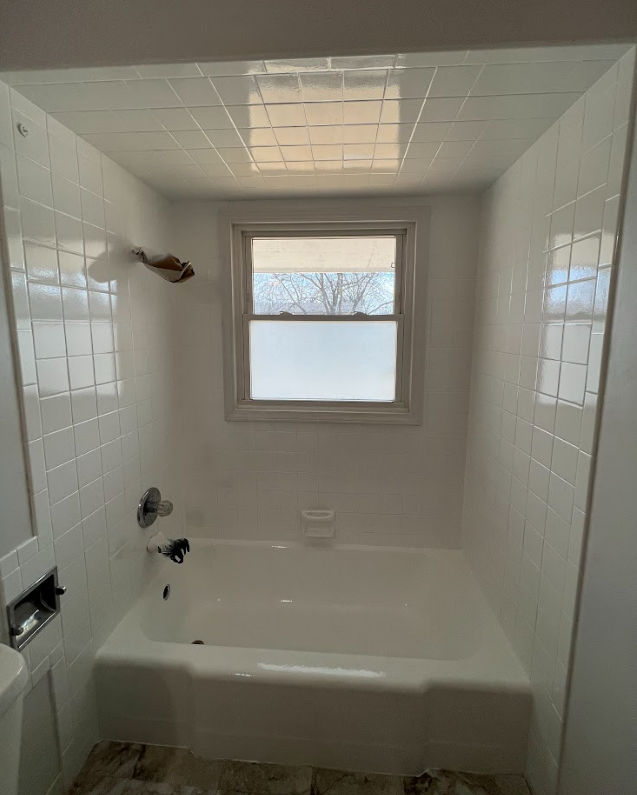
Mold can be sneaky, hiding, spreading, and slowly undermining the surfaces we rely on. But with the right attention to grout health and a professional touch from an expert refinishing service in Long Island, you can protect your home and family. Whether you’ve noticed signs of black mold or simply haven’t updated your grout in a while, now’s the time to act.
We proudly serve homeowners across Long Island and we’re ready to help you restore your bathroom to a clean, safe, and beautiful state. Don’t wait for mold to become a bigger issue. Let Long Island Tub Refinishing inspect, repair, and refresh your space with care.